Introduction
Choosing a skincare routine can sometimes feel overwhelming, but finding the best moisturizer for your skin type makes all the difference in achieving a healthy glow. With hundreds of products promising hydration, smoothness, and a healthier appearance, it is easy to become overwhelmed. The ideal formula is not necessarily the most expensive one, but rather the one tailored to your unique needs.
Whether your skin is dry, oily, combination, sensitive, or acne-prone, understanding how formulas work will help you make a confident decision. For a wide variety of skincare choices, you can explore options on Amazon.
1.What Is a Moisturizer?
A moisturizer is a skincare product designed to help maintain the skin’s moisture and keep it feeling soft and comfortable. These products contain ingredients known as humectants, emollients, and occlusives to attract water, soften the skin, and reduce water loss. Because different skin needs vary, there is no single formula that works perfectly for everyone.
2.Why Is Finding the Best Moisturizer for Your Skin Type Essential?
Daily activities such as cleansing, bathing, weather changes, and dry indoor air can leave skin feeling dry or uncomfortable. Using the best moisturizer for your skin type helps maintain hydration and supports a strong skin barrier.
Even people with oily or acne-prone skin benefit from proper moisturizing, especially when using acne treatments like salicylic acid or benzoyl peroxide that can cause dryness or irritation.
3.Different Varieties of the Best Moisturizer for Your Skin Type
-
Gel Moisturizers: These usually have a lightweight feel and can be appealing for oily or combination skin. They are often comfortable in warm or humid weather.
-
Lotions: Lotions generally have a lighter texture than creams and may work well for normal or mildly dry skin.
-
Creams: Creams are thicker and generally provide more substantial hydration than lotions or gels. They can be a useful choice for dry skin.
-
Ointments: Ointments are usually the thickest and most occlusive type. They can be especially useful for very dry areas where reducing moisture loss is important.
4. Best Moisturizer for Your Skin Type: Dry Skin Care
If your skin feels rough, tight, flaky, or uncomfortable, consider a richer cream or ointment rather than a very lightweight lotion. Look for moisturizing ingredients such as ceramides, glycerin, hyaluronic acid, petrolatum, or dimethicone. Applying product while your skin is still slightly damp can also help retain moisture.
Oily Skin
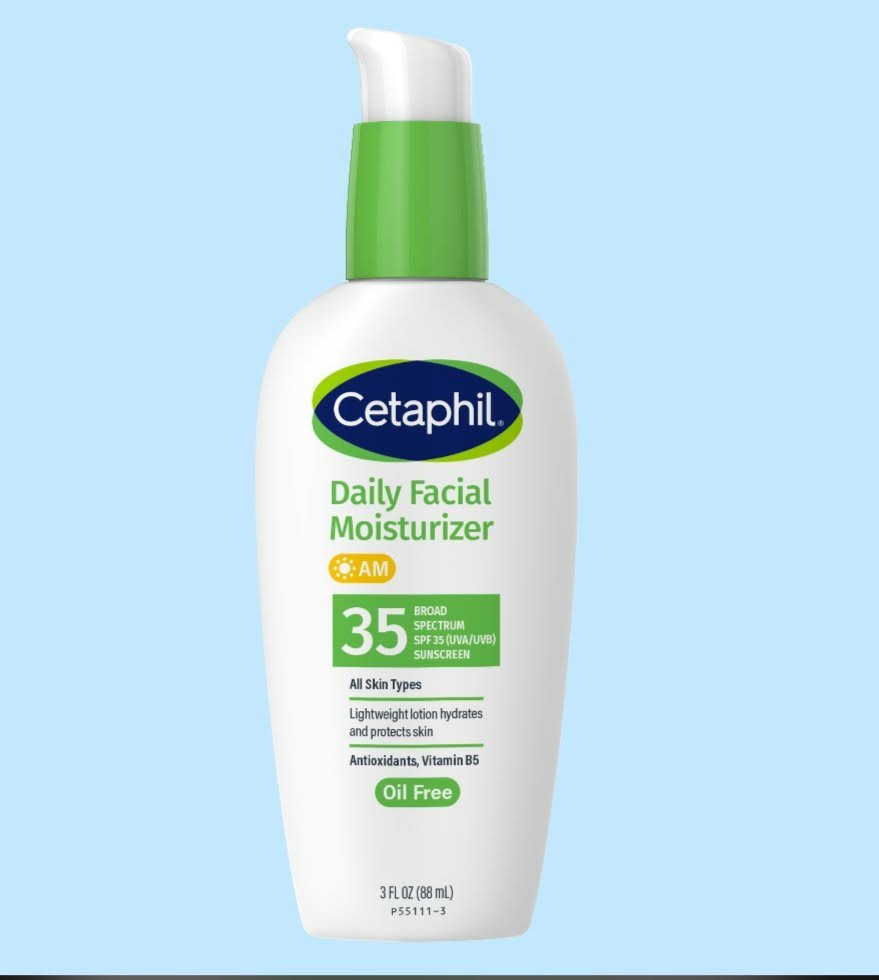
Oily skin can still become dehydrated. If heavy creams feel uncomfortable or greasy, consider a lightweight gel or lotion. For acne-prone skin, look for labels such as “oil-free” or “non-comedogenic,” which indicate that the product is formulated with a lower likelihood of clogging pores.
Combination Skin
Combination skin can be oily in some areas and dry in others, commonly with an oilier T-zone and drier cheeks. You may not need the same amount of hydration everywhere. A lightweight formula can be useful overall, while drier areas may need additional attention.
Sensitive Skin
If your skin is easily irritated, consider products labeled fragrance-free and formulated for sensitive skin. “Fragrance-free” and “unscented” are not necessarily identical terms, so reading the ingredient information can be useful.
Acne-Prone Skin
Look for a formula labeled non-comedogenic, oil-free, or “won’t clog pores.” These descriptions can help when selecting the best moisturizer for your skin type if you are prone to breakouts.
5.Key Moisturizer Ingredients to Look For
The ingredient list can tell you more than attractive packaging or marketing language:
-
Hyaluronic Acid: Widely used as a hydrating ingredient and commonly found in lightweight formulas and serums.
-
Glycerin: A humectant that helps attract and retain water, making it a common component in moisturizing products.
-
Ceramides: Lipids naturally associated with the skin barrier and commonly included to support dry skin.
-
Petrolatum: An effective occlusive ingredient that helps reduce water loss from the skin.
-
Dimethicone: Can help form a protective layer over the skin and is frequently used in modern formulas.
6.How to Apply Moisturizer Correctly
Getting the product right is only part of the process. How you apply it also matters:
-
Cleanse your face gently.
-
Pat your skin lightly rather than completely drying it.
-
Apply your best moisturizer for your skin type while the skin is still slightly damp.
-
Gently spread the product without aggressive rubbing.
For daytime skincare, remember that moisturizer does not automatically replace sunscreen. Use an appropriate broad-spectrum sunscreen as part of your daily routine.
7.What to Check Before Buying a Moisturizer
Before clicking buy, consider the following checklist:
-
Skin Type: Is your skin dry, oily, combination, normal, or sensitive?
-
Texture: Gel, lotion, cream, or ointment?
-
Ingredients: Does the formula contain components suitable for your needs?
-
Fragrance: If your skin is sensitive, consider fragrance-free options.
-
Non-comedogenic: Particularly useful to consider for acne-prone skin.
-
Price & Size: Compare the cost per ounce or milliliter, not just the package size.
-
Reviews: Look for patterns in customer feedback rather than relying on a single review.
8.Pros and Cons of Using Daily Moisturizers
To help you weigh your options, here is a quick evaluation of incorporating a daily moisturizer into your routine:
-
Pros:
-
Helps maintain skin hydration and barrier function.
-
Protects against environmental dryness and flakiness.
-
Complements acne treatments by reducing irritation and dryness.
-
Available in diverse textures tailored for every unique skin type.
-
-
Cons:
-
Choosing the wrong formula can occasionally cause clogged pores or breakouts.
-
Conclusion
Finding the best moisturizer for your skin type is not about choosing the most expensive product or following the latest beauty trend. It is about understanding your skin and selecting a formula that fits its needs. Start by identifying your skin type, then consider the texture and ingredients that make sense for you.
Most importantly, give your skincare routine time and pay attention to how your skin responds. You can also review popular customer choices by visiting Moisturizers on Amazon.